
Explore the rich history, techniques, and cultural significance of fishing, highlighting its evolution and role in today's world.
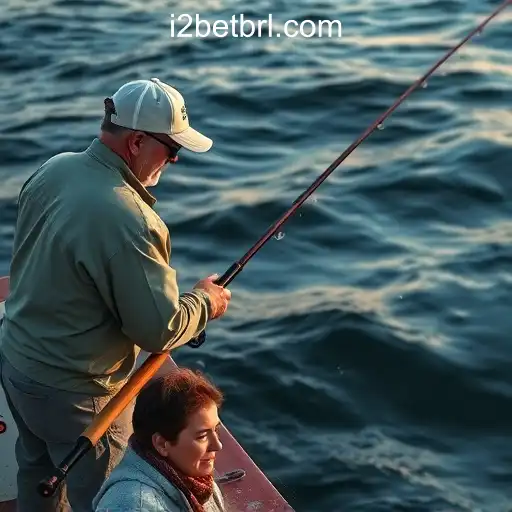
Fishing: An Ancient Art and Modern Sport
Fishing is a pastime that combines the tranquility of nature with the thrill of the catch. This time-honored pursuit is enjoyed by millions around the globe, offering not only a source of food but also recreation, relaxation, and an opportunity for sportsmanship. As you cast your line into the water, you engage in an activity that has been a part of human culture for millennia.
The History and Evolution of Fishing
Fishing dates back to prehistoric times, as evidenced by ancient cave paintings and archaeological finds. The techniques have evolved from rudimentary stone, bone, and wood implements to modern-day fishing rods and lines. Historically, fishing was primarily a means of survival, providing essential nutrients to early human communities. However, over time, it burgeoned into a commercial industry and a recreational activity.
Despite the modernization of fishing equipment, the essence of this practice remains largely unchanged. Fishermen still seek the challenge and reward of their catch, be it for sustenance or sport. Modern technologies, such as depth finders and GPS, have enhanced efficiency without diminishing the skill involved.
Fishing Techniques and Styles
Fishing techniques today vary widely, from the traditional hand line and rod fishing to more elaborate setups such as fly fishing, trolling, and deep-sea fishing. Each method has its enthusiasts and practical applications depending on the fishing environment and target species.
Fly fishing is renowned for its artful casting technique, where a lightweight lure, or "fly," is used to mimic aquatic insects. Widely practiced in freshwater environments, fly fishing demands precision and patience.
Deep-sea fishing offers an entirely different experience, where anglers venture out into the ocean to target large species such as tuna, marlin, and swordfish. This form of fishing can be both exciting and physically demanding, often involving long hours and variable sea conditions.
The Ecological and Economic Impact
Fishing is not just a hobby; it significantly impacts both the economy and ecosystems worldwide. Many communities rely on fishing not only as a primary source of food but also as a substantial contributor to their local economies. Fisheries support commercial activity, creating jobs in everything from boat building to fish processing.
While the economic advantages are evident, fishing also poses challenges to marine ecosystems. Overfishing, pollution, and habitat destruction threaten aquatic biodiversity, leading to the decline of numerous fish populations. Sustainable practices and fisheries management are imperative to preserving these resources for future generations.
Organizations globally work to balance industry needs with conservation efforts, promoting sustainable fishing techniques that help maintain fish stocks and protect oceanic health.
The Thrill of Competition
For many, fishing transcends beyond leisure into a competitive sport. Angling tournaments are popular, offering excitement and camaraderie among participants. Competitions range from local events to international contests, each with different rules and species to target.
Sport fishing has grown immensely, with enthusiasts drawn to the challenge of catching large game fish. The International Game Fish Association (IGFA) sets the standards for fish records, often recognizing remarkable catches that garner global attention.
Fishing’s Role in Culture and Lifestyle
The cultural significance of fishing is far-reaching. Many societies incorporate fishing into their traditions, festivals, and folklore. For some, it is an intrinsic part of their identity, celebrated in stories, art, and cuisine.
Fishing also provides a unique social backdrop, where stories are shared, bonds are forged, and memories are created. Anglers often find camaraderie among fellow enthusiasts, whether it be through clubs, online forums, or social gatherings.
The benefits of fishing extend beyond the catch, offering mental health advantages while immersing participants in the tranquility of the natural world. The rhythmic casting, the anticipation of a bite, and the solitude or shared experience contribute to a holistic sense of well-being.
Making the Most of Your Fishing Experience
Whether a novice or experienced angler, preparation is key to a successful fishing outing. Knowledge of local regulations, weather conditions, and fish behavior are essential to maximize your chances of success.
Equipping yourself with the right gear ensures you are ready for the specific challenges of your chosen technique, whether you are fly fishing in a mountain stream or casting lines into the open sea. Understanding and respecting the environments you fish in is vital, adhering to catch-and-release practices and ensuring minimal ecological footprint.
Inadvertently, the hobby of fishing often leads enthusiasts into other interests such as boating, wildlife photography, and environmental stewardship. These connections illustrate the vast scope of experiences and community that fishing engenders.
The Future of Fishing
With the rise of digital platforms, fishing communities have expanded, using technology to share tips, techniques, and successes. Online platforms like i2BET.COM Oficial Slots Brasil #1 foster connection among anglers, offering a virtual venue for them to engage, share, and grow together.
As awareness of the importance of sustainable practices grows, future generations of fishermen are likely to be more conscientious of their impact on the environments they cherish. Through education, innovation, and a respect for tradition, fishing will continue to thrive both as a sport and a way of life.